Restricted Access
This website is intended strictly for qualified research professionals. All products are sold for in-vitro laboratory research use only and are not intended for human or veterinary use.
Statements have not been evaluated by the U.S. Food and Drug Administration. Products are not intended to diagnose, treat, cure, or prevent any disease. Janera Science is not a 503A compounding pharmacy or 503B outsourcing facility.

Date
Category
GHK-Cu research represents one of the most extensively documented areas of peptide science, with laboratory investigations spanning more than five decades. This tripeptide-copper complex has generated substantial interest among researchers investigating molecular mechanisms, gene expression patterns, and cellular signaling pathways in controlled laboratory environments.
This article provides an educational overview of the scientific questions, methodologies, and discoveries that define the GHK-Cu research landscape.
This content is provided for informational and educational purposes only and does not constitute medical, pharmaceutical, or legal advice. The products discussed are intended for laboratory research purposes only and are not for human or animal consumption. They are not intended to diagnose, treat, cure, or prevent any disease.
Understanding GHK-Cu: Molecular Structure and Chemical Properties
The Tripeptide-Copper Complex
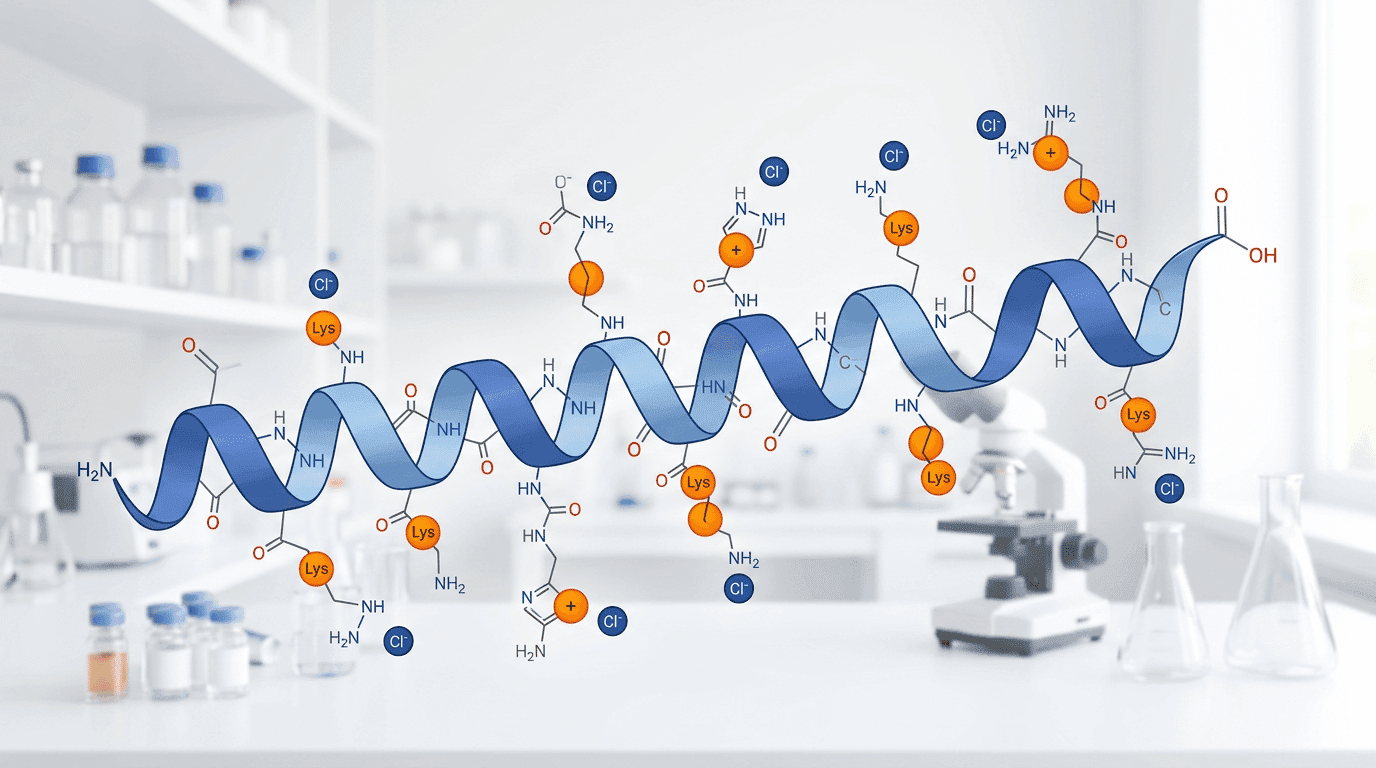
GHK-Cu consists of three amino acids-glycine, L-histidine, and L-lysine-arranged in a specific sequence that creates high affinity for copper (II) ions. The chemical name is glycyl-L-histidyl-L-lysine copper complex, and it is registered under CAS number 89030-95-5.
In the GHK-Cu complex, the copper ion coordinates through multiple binding sites: the nitrogen from the histidine imidazole side chain, the alpha-amino group of glycine, and the deprotonated amide nitrogen of the glycine-histidine peptide bond. Researchers have documented an exceptionally high stability constant for this complex (log10 = 16.44), which distinguishes it from simpler copper-peptide arrangements such as the GH copper complex (log10 = 8.68) (PMC, 2012).
Additionally, structural studies have shown that Cu(II) is also coordinated by the oxygen from the carboxyl group of the lysine from a neighboring complex, resulting in a square-planar pyramid configuration (PMC, 2012). At physiological pH, GHK-Cu complexes can form binary and ternary structures involving amino acid histidine and/or the copper binding region of the albumin molecule.
Research has established that copper (II) redox activity is silenced when copper ions are complexed with the GHK tripeptide, which allows for controlled copper delivery in laboratory studies (PMC, 2018).
Discovery and Scientific History
The scientific investigation of GHK-Cu began in 1973 when Dr. Loren Pickart (1938-2023) isolated an activity from human plasma albumin while conducting research at the University of California, San Francisco. The initial breakthrough stemmed from an observation that liver cells from older patients exhibited different characteristics when cultured in the blood of younger individuals (PMC, 2015). In 1977, the growth-modulating peptide was confirmed to be glycyl-L-histidyl-L-lysine (Nature, 1980).
Initial studies documented that this peptide complex occurs naturally in human plasma, saliva, and urine. Published research has documented that plasma concentrations of GHK-Cu decline with age. Studies measuring these levels-including measurements of male medical students (average age 25) compared to male medical school faculty (average age 60) at the University of California, San Francisco-found approximately 200 ng/mL in younger individuals, declining to approximately 80 ng/mL by age 60 (PMC, 2012).
The sequence of GHK has also been identified within larger protein structures, including collagen and SPARC (secreted protein acidic and rich in cysteine). Researchers have documented that GHK is released during protein breakdown, suggesting a potential role as what scientists describe as an "emergency response molecule" in tissue remodeling research (PMC, 2018).
Key Areas of GHK-Cu Research in Laboratory Settings
Gene Expression and Transcriptional Studies
One of the most significant developments in GHK-Cu research came through gene expression profiling studies. The Broad Institute of MIT and Harvard developed the Connectivity Map (cMap)-a database containing more than 7,000 gene expression profiles of five human cell lines treated with 1,309 distinct small molecules-which enabled researchers to investigate genome-wide effects of GHK (PMC, 2018).
Using this tool, scientists documented that GHK affects the expression of a substantial number of human genes. The Connectivity Map data indicated that the 22,277 probe sets represent 13,424 genes. Published analyses indicate that approximately 31.2% of genes examined showed expression changes of 50% or greater when exposed to GHK. Of the genes affected, researchers observed that 59% showed increased expression while 41% showed decreased expression (PMC, 2018).
Notably, a 2012 study by Campbell et al. identified 127 genes whose expression levels were significantly associated with regional emphysema severity in COPD patients. Using the Connectivity Map, researchers found that GHK could reverse the aberrant gene-expression signature associated with emphysematous destruction and induce expression patterns consistent with tissue remodeling. Laboratory experiments confirmed that GHK at 10 nM, added to cultured fibroblasts from affected lung areas, helped restore organization of the actin cytoskeleton and elevated expression of integrin β1 (Genome Medicine, 2012).
Additionally, a 2010 study by Hong et al. used the Connectivity Map to identify compounds that could reverse gene expression characteristic of metastatic colon cancer. Out of 1,309 bioactive molecules studied, GHK demonstrated the ability to reverse the expression of 70% of 54 genes overexpressed in the cancer signature at a concentration of 1 micromolar (PMC, 2018).
Extracellular Matrix Research
Laboratory studies frequently employ GHK-Cu in investigations of extracellular matrix (ECM) dynamics. Researchers use fibroblast cell cultures and other in vitro systems to examine how this peptide complex interacts with processes related to ECM component synthesis.
In cellular models, scientists have investigated GHK-Cu's interactions with genes related to collagen, elastin, proteoglycans, and glycosaminoglycans. Research has documented that GHK-Cu also increases synthesis of decorin-a small proteoglycan involved in the regulation of collagen synthesis and tissue remodeling (PMC, 2018).
Published research also documents studies examining GHK-Cu's relationship with matrix metalloproteinases (MMPs) and their tissue inhibitors (TIMPs). Studies have shown that GHK-Cu at concentrations of 0.01, 1, and 100 nM incubated with human adult dermal fibroblasts increased gene expression of MMP1 and MMP2 at the 0.01 nM concentration, while all concentrations increased TIMP1 (PMC, 2018).
Additionally, research has documented that GHK-Cu stimulates the release of growth factors including brain-derived neurotrophic factor (BDNF), vascular endothelial growth factor (VEGF), and bone morphogenetic protein 2 (BMP-2) in laboratory settings (PMC, 2018).
Cellular Signaling Pathway Investigations
Recent research published in 2024-2025 has identified specific molecular targets for GHK-Cu activity in laboratory models. A study published in Frontiers in Pharmacology (received December 2024, published July 2025) documented investigations into SIRT1 (NAD-dependent deacetylase sirtuin-1) and STAT3 (signal transducer and activator of transcription 3) as pathways of interest using a DSS-induced colitis mouse model (Frontiers in Pharmacology, 2025).
Molecular docking analysis-a computational method researchers use to predict how molecules interact-demonstrated that GHK-Cu can bind to SIRT1 with a calculated binding energy of -8.75 kcal/mol. The interacting residues identified were GLU-230 and ASN-226. Western blot results showed that GHK-Cu significantly upregulated SIRT1 expression while suppressing phosphorylated p-STAT3 in the experimental models (PMC, 2025).
Other laboratory investigations have examined GHK-Cu's relationship with the TGF-β (transforming growth factor-beta) pathway, integrin signaling, and antioxidant response elements. These studies contribute to scientific understanding of how copper-peptide complexes interact with cellular signaling networks under controlled experimental conditions.
Neurological Research Models (2024)
A notable 2024 study published in Aging Pathobiology and Therapeutics examined GHK-Cu in a transgenic mouse model of Alzheimer's disease (5xFAD mice). Male and female mice at 4 months of age were given 15 mg/kg GHK-Cu intranasally three times per week for three months. Researchers observed that treated mice exhibited improved performance in Y-maze alternation tests and box maze spatial navigation tasks compared to saline-treated controls (Aging Pathobiol Ther, 2024).
Histological analysis using Congo Red staining showed reduced amyloid plaque counts in the frontal cortex of treated mice. Additionally, MCP-1 (monocyte chemoattractant protein-1) staining intensity-a marker researchers use to assess inflammatory responses-was notably decreased in both the frontal cortex and hippocampus of treated animals compared to controls (PMC, 2024).
A related 2023 study found that intranasal GHK-Cu enhanced cognitive performance in 20-month-old C57BL/6 mice given the peptide daily for two months. Treated mice showed decreased neuroinflammatory and axonal damage markers compared to saline-treated controls (PMC, 2023).
Laboratory Methodologies Used in GHK-Cu Studies
In Vitro Research Models
Researchers investigating GHK-Cu employ various in vitro (cell culture) systems designed to examine specific aspects of peptide activity. Common models documented in scientific literature include dermal fibroblast cultures, keratinocyte assays, and endothelial cell systems (PMC, 2015).
Studies typically examine GHK-Cu at concentrations ranging from picomolar (10⁻¹² M) to micromolar (10⁻⁶ M) levels. Published research has documented effects at concentrations as low as 0.01 nM (10⁻¹¹ M) up to 100 nM in fibroblast cultures (PMC, 2018). This wide concentration range allows researchers to establish dose-response relationships and identify optimal conditions for observing specific cellular responses.
Endpoint measurements in GHK-Cu research commonly include gene expression analysis (often via quantitative PCR), protein quantification (through Western blotting or ELISA), and cellular migration assays (using scratch wound or Transwell systems). For example, the 2025 colitis study by Mao et al. used Transwell co-culture systems and scratch assays to evaluate cellular responses (PMC, 2025). Researchers design experiments with appropriate controls-including vehicle controls and, where relevant, copper-only controls-to isolate the effects attributable to the GHK-Cu complex specifically.
Preclinical Animal Models
Published GHK-Cu research also includes preclinical studies using animal models. These investigations allow researchers to examine the peptide complex within more complex biological systems while maintaining controlled experimental conditions.
Animal model studies documented in scientific literature include rodent models used to investigate tissue remodeling processes, inflammatory responses, and other physiological parameters. Researchers measure standardized endpoints and employ established protocols to generate data that can be compared across studies and laboratories.
It is important to note that preclinical findings represent laboratory observations in controlled research settings and do not constitute evidence of effects in humans.
Analytical Techniques for Quality Verification
Laboratory research with GHK-Cu requires careful attention to compound purity and identity. Researchers employ analytical techniques including high-performance liquid chromatography (HPLC) and mass spectrometry (MS) to verify that the peptide complex meets specifications required for reproducible experimental results.
Purity specifications for research-grade GHK-Cu typically target 95-99% or higher, with analytical certificates documenting the methods used for verification.
The Copper Component: Why It Matters to Researchers
Copper Chelation Chemistry
The copper ion in GHK-Cu plays a central role in the peptide complex's properties, making it a focus of biochemical research. The GHK tripeptide chelates copper (II) with high affinity, creating a stable complex that researchers can work with in controlled laboratory conditions.
Research by Lau and Sarkar found that GHK can readily obtain copper 2+ bound to other molecules, including the high-affinity copper transport site on plasma albumin (albumin binding constant log10 = 16.2 vs. GHK binding constant log10 = 16.44) (PMC, 2012).
This chelation stabilizes copper in what researchers describe as a "redox-controlled form," with studies indicating that copper (II) redox activity is silenced when complexed with GHK. This property allows for controlled delivery of non-toxic copper in laboratory investigations, which is relevant to studies investigating metal ion behavior in biological systems.
Copper's Role in Cellular Research
Copper is an essential trace element required by all eukaryotic organisms. It serves as a cofactor for numerous cuproenzymes involved in cellular respiration (cytochrome c oxidase), antioxidant defense (ceruloplasmin, superoxide dismutase), detoxification (metallothioneins), blood clotting factors, melanin production (tyrosinase), and connective tissue formation (lysyl peroxidase) (PMC, 2012).
GHK-Cu provides researchers with a tool for studying copper-related cellular mechanisms in laboratory settings. Published research has examined the complex's relationship with copper-dependent enzymes and its potential role in modulating copper availability at cellular and extracellular levels. Studies suggest that GHK-Cu may play a role in copper metabolism, serving as a copper transport mechanism that can deliver this essential metal to cells without the toxic effects associated with free copper (PMC, 2012).
Researchers have also documented that GHK-Cu possesses superoxide dismutase (SOD)-mimetic activity. On a molar basis, GHK-Cu has approximately 1-3% of the activity of the Cu,Zn superoxide dismutase protein. Laboratory studies have shown that modifications to the peptide can raise this SOD-mimetic activity up to 223-fold (PMC, 2017).
Current Directions in GHK-Cu Scientific Literature
Recent Publications (2024-2025)
The scientific literature on GHK-Cu continues to expand, with recent publications exploring new research questions and methodologies. Key 2024-2025 studies include:
Inflammatory Bowel Research (2025): The study by Mao et al. published in Frontiers in Pharmacology (received December 2024, accepted June 2025) investigated GHK-Cu in a DSS-induced colitis mouse model, identifying the SIRT1/STAT3 signaling pathway as a mechanism of interest. The researchers demonstrated that GHK-Cu acts as a potential SIRT1 activator in this experimental system (PMC, 2025).
Neurological Research (2024): Tucker et al. published findings in Aging Pathobiology and Therapeutics examining intranasal GHK-Cu delivery in 5xFAD transgenic mice, documenting observations related to cognitive performance and neuropathological markers in this Alzheimer's disease model (Aging Pathobiol Ther, 2024).
Nanoparticle Conjugation Research (2024): A study published in Colloids and Surfaces B: Biointerfaces (February 2024) developed GHK and GHK-Cu-modified silver nanoparticles. The researchers documented potent inhibitory activity against E. coli and S. aureus in laboratory assays, with both formulations promoting accelerated wound closure in animal models (ScienceDirect, 2024).
Delivery System Innovations: Researchers have also published investigations into ionic liquid-based microemulsions and nanocarrier formulations designed to improve compound stability and delivery in research applications. These methodological advances support more sophisticated experimental designs in GHK-Cu research.
Tripeptide Review (2025): A comprehensive review published in the International Journal of Medical Sciences (October 2025) covering studies from 2016-2025 examined the role of tripeptides including GHK-Cu in laboratory wound research, highlighting their documented effects on fibroblast migration, collagen deposition, and angiogenesis in experimental models (Int J Med Sci, 2025).
Limitations and Future Research Questions
As with any area of scientific inquiry, GHK-Cu research has limitations that researchers acknowledge in published literature. The majority of existing studies represent in vitro (cell culture) and preclinical (animal model) research conducted in controlled laboratory settings.
Major clinical guidelines have noted the absence of randomized controlled trials in humans for specific applications. The IWGDF 2024 guidelines, for example, do not mention GHK-Cu as a recommended intervention for wound care, emphasizing that interventions studied only in laboratory settings or animal models cannot be recommended for clinical use (Dr. Oracle, 2025).
Future research questions identified in scientific literature include:
Understanding dose-dependent effects across different model systems
Elucidating the precise mechanisms by which GHK-Cu interacts with identified molecular targets
Developing standardized protocols for comparing results across laboratories
Investigating long-term effects in chronic disease models
Exploring combination approaches with other bioactive compounds
Frequently Asked Questions About GHK-Cu Research
What is GHK-Cu?
GHK-Cu (glycyl-L-histidyl-L-lysine copper complex) is a tripeptide-copper complex consisting of three amino acids bound to a copper (II) ion. First isolated from human plasma in 1973, it has become a widely studied compound in laboratory research settings. Its CAS number is 89030-95-5, and it is characterized by a high stability constant that distinguishes it from simpler peptide-metal complexes.
How is GHK-Cu used in research?
In laboratory settings, researchers use GHK-Cu to investigate cellular signaling pathways, gene expression patterns, extracellular matrix dynamics, and copper-peptide interactions. Common research models include fibroblast cell cultures, keratinocyte assays, and various preclinical animal models. Studies typically measure endpoints such as gene expression changes, protein synthesis, and cellular migration under controlled experimental conditions.
What does "Research Use Only" mean?
Research Use Only (RUO) indicates that a compound is intended exclusively for laboratory research purposes. RUO materials are not approved for human or animal use and are not intended to diagnose, treat, cure, or prevent any disease. This designation reflects the regulatory status of compounds sold for scientific investigation rather than therapeutic application.
Where can researchers find scientific literature on GHK-Cu?
Peer-reviewed publications on GHK-Cu research are available through scientific databases including PubMed (pubmed.ncbi.nlm.nih.gov) and PubMed Central (pmc.ncbi.nlm.nih.gov). Key journals publishing GHK-Cu research include those focused on biochemistry, molecular biology, and pharmacology. The compound's entry on PubChem provides additional chemical data and literature references.
Conclusion
GHK-Cu research encompasses a diverse range of scientific inquiries, from fundamental questions about copper-peptide chemistry to sophisticated investigations of gene expression and cellular signaling pathways. The documented history of this tripeptide-copper complex spans more than fifty years of laboratory investigation, generating a substantial body of peer-reviewed literature.
For researchers and those interested in peptide science, understanding the scope and methodology of GHK-Cu studies provides valuable context for evaluating published findings and identifying areas for future investigation. As with all scientific research, findings from laboratory settings represent contributions to ongoing scientific inquiry rather than definitive conclusions.
The research landscape continues to evolve as scientists develop new methodologies and ask new questions about this well-characterized compound.
This article is provided for educational purposes only. All products discussed are intended for laboratory research purposes and are not for human or animal consumption.